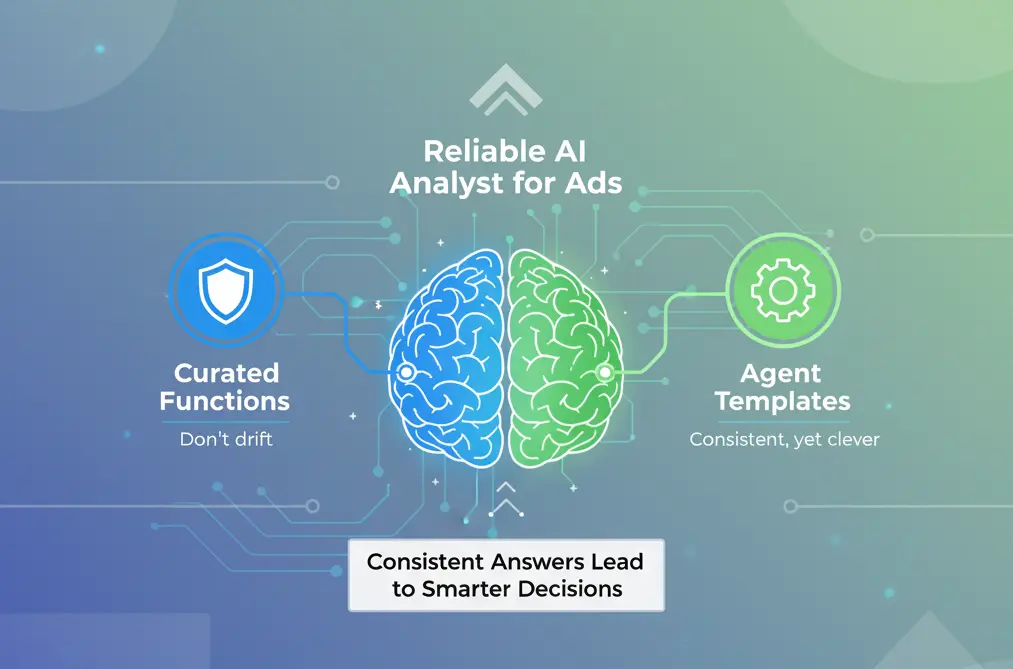
Six AI-Powered SEM Optimization Tips for Modern Search Marketing
The search landscape is evolving fast—here's how to harness AI agents for keyword intelligence, budget protection, and bespoke SEM execution.
 Aliveo Performance StrategySearch Marketing Innovation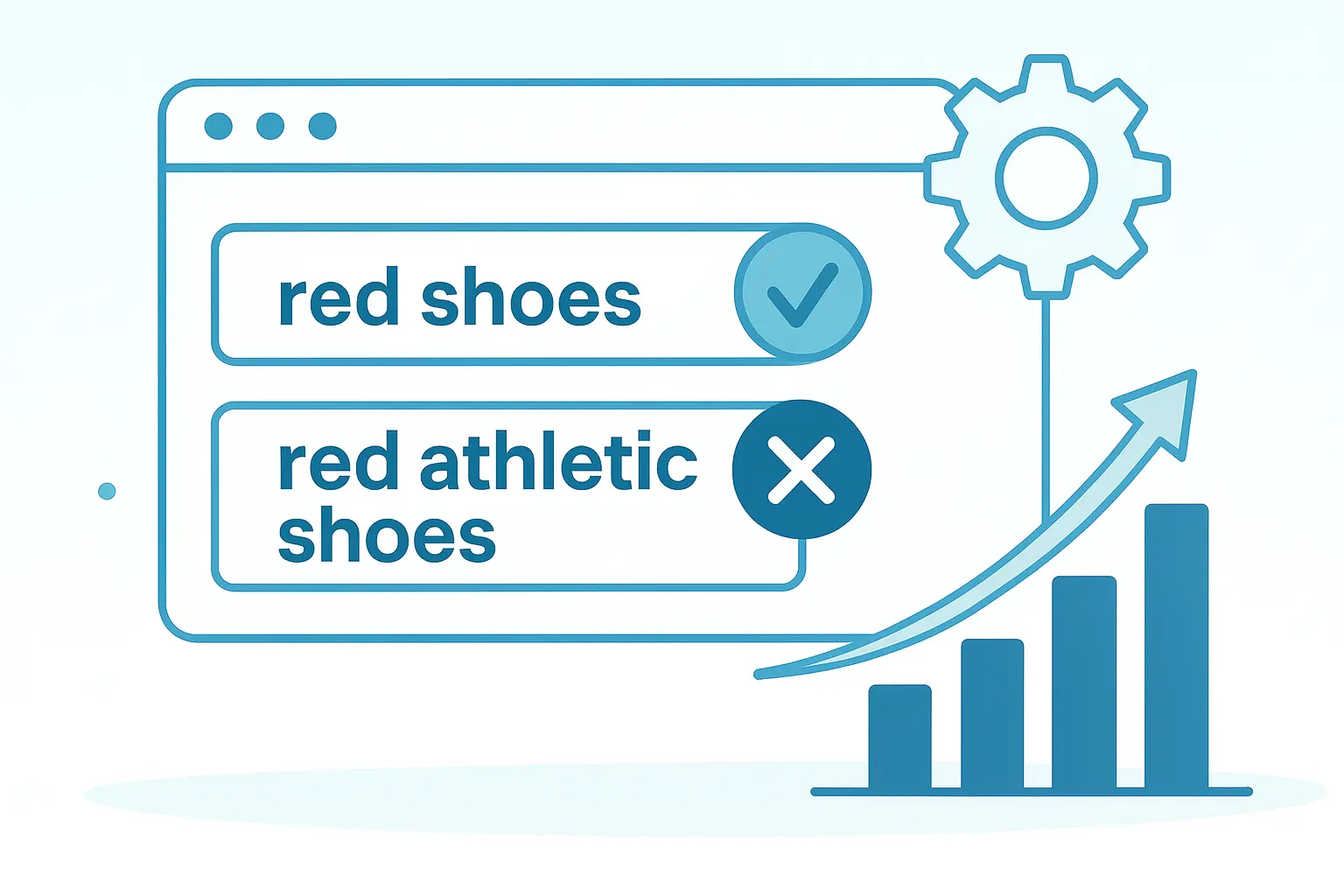
Six AI-Powered SEM Optimization Tips for Modern Search Marketing
The search landscape is evolving rapidly, and your keyword strategy needs to keep pace. With AI agents now capable of handling complex optimization tasks at scale, there's never been a better time to modernize your SEM approach.
You'll learn how to:
- Anticipate shifts in conversational query patterns before they impact volume.
- Cut budget drain from invisible under-performers and cannibalizing clusters.
- Systematically mine, test, and scale bespoke keyword plays with AI agents.
1. Mine Search Term Reports for Hidden Opportunities
Your search term reports contain two goldmines: queries you're already capturing (but not optimizing for) and relevant queries where you're missing out on traffic. As search behavior accelerates its evolution, analyzing these reports has become mission-critical.
Why it matters: Search term reports reveal the language of your buyers in real time; ignoring them delays creative refreshes and feed updates.
The AI advantage: AI agents can process search term reports at scale, identifying high-potential queries based on volume, conversion patterns, and semantic relevance to your offerings. They can integrate external signals—like trending topics or seasonal patterns—and recommend proactive keyword additions before competitors notice.
See it in action: The Keyword Additions Agent mines net-new intent in seconds.
Product Demo
Aliveo Keyword Additions Agent
Watch how Aliveo surfaces proactive keyword additions before competitors even notice rising intent.
2. Systematically Pause Underperforming Keywords
Individually, dozens of low-performing keywords seem too insignificant to worry about. Collectively, they're draining your budget—and data sparsity makes it hard to identify these inefficiencies with traditional weekly or monthly reviews.
Why it matters: Low-signal keywords quietly erode ROAS when decisions rely on short lookback windows or manual spot checks.
The AI advantage: AI agents excel at taking a longer-window view of performance data, systematically analyzing keyword efficiency across extended timeframes. They can identify patterns that human analysts miss due to data sparsity and execute regular, automated checks to flag underperforming keywords. This systematic approach uncovers budget waste that often goes unnoticed and ensures consistent optimization without manual oversight.
3. Master Strategic Keyword Negation
While pausing keywords is straightforward, strategic negation is where sophisticated optimizers separate themselves from the pack. The goal is to weed out search term-keyword pairs where semantic matching is weak and performance is poor—especially when better alternatives exist.
Why it matters: Without precise negation, seemingly “close enough” matches steal impressions from better-qualified keywords.
The AI advantage: This is perfect work for AI agents. They can analyze massive volumes of search term-keyword pairs through both a performance lens and a semantic similarity lens simultaneously. The agent identifies pairs with moderate semantic similarity and inadequate performance, then checks if a better-performing or more semantically aligned alternative exists for that same search term. AI executes these checks systematically and at scale, unlocking significant value from more precise traffic targeting.
4. Eliminate Keyword Cannibalization
When multiple keywords in your portfolio compete against each other, you're essentially bidding against yourself. Identifying these conflicts is tricky because legitimate exceptions exist: the same keyword might target different audiences, or you might be running tests that require portfolio overlap.
Why it matters: Cannibalization distorts learning agendas, confuses bidding signals, and hides true winners in blended metrics.
The AI advantage: AI agents can be customized to understand your specific campaign structure, audience segmentation, and testing protocols. They identify genuine cannibalization issues while respecting your strategic exceptions—something rule-based systems struggle with. This nuanced approach ensures you're only flagging conflicts that actually hurt performance.
5. Stay Ahead of Evolving Search Query Patterns
User search behavior is changing faster than ever. In the post-ChatGPT era, search queries are consistently getting longer and more conversational. This shift means your keyword portfolio can quickly become outdated if you're not actively monitoring these trends.
Why it matters: Portfolio lag leads to misaligned copy, weaker Quality Scores, and CPC spikes as intent fragments.
The AI advantage: Deploy AI agents to continuously analyze search term reports and identify emerging query patterns. These agents can spot trends in query length, structure, and intent that might take your team weeks to uncover manually. Regular portfolio updates based on these insights ensure you're capturing traffic that matches current user behavior, not last year's patterns.
6. Scale Your Bespoke Strategy with Customizable AI Agents
Every SEM team has its own playbook—specific strategies, campaign structures, and optimization philosophies that have been refined over time. The challenge has always been executing these strategies consistently across large, complex accounts.
Why it matters: Institutional strategy loses fidelity when it's reinterpreted manually across markets, owners, and pacing cadences.
The AI advantage: Modern AI agents, like those from Aliveo AI, are easily customizable to execute your team's specific methodology for keyword operations. Rather than forcing you to adapt to a one-size-fits-all approach, these agents learn your strategies and apply them with perfect consistency at scale. The result? Better performance, more time for strategic work, and the confidence that your optimization philosophy is being executed exactly as intended across every campaign.
The Bottom Line
AI isn't replacing SEM expertise—it's amplifying it. By handling the systematic, data-intensive work of keyword optimization, AI agents free your team to focus on strategy, creative, and the insights that drive breakthrough performance. The question isn't whether to adopt AI for SEM optimization, but how quickly you can integrate it into your workflow.
Keep exploring Aliveo insights
Browse more stories from teams using Aliveo to ship reliable, AI-guided growth loops.